The system had to work across devices, regions, and very different usage conditions.
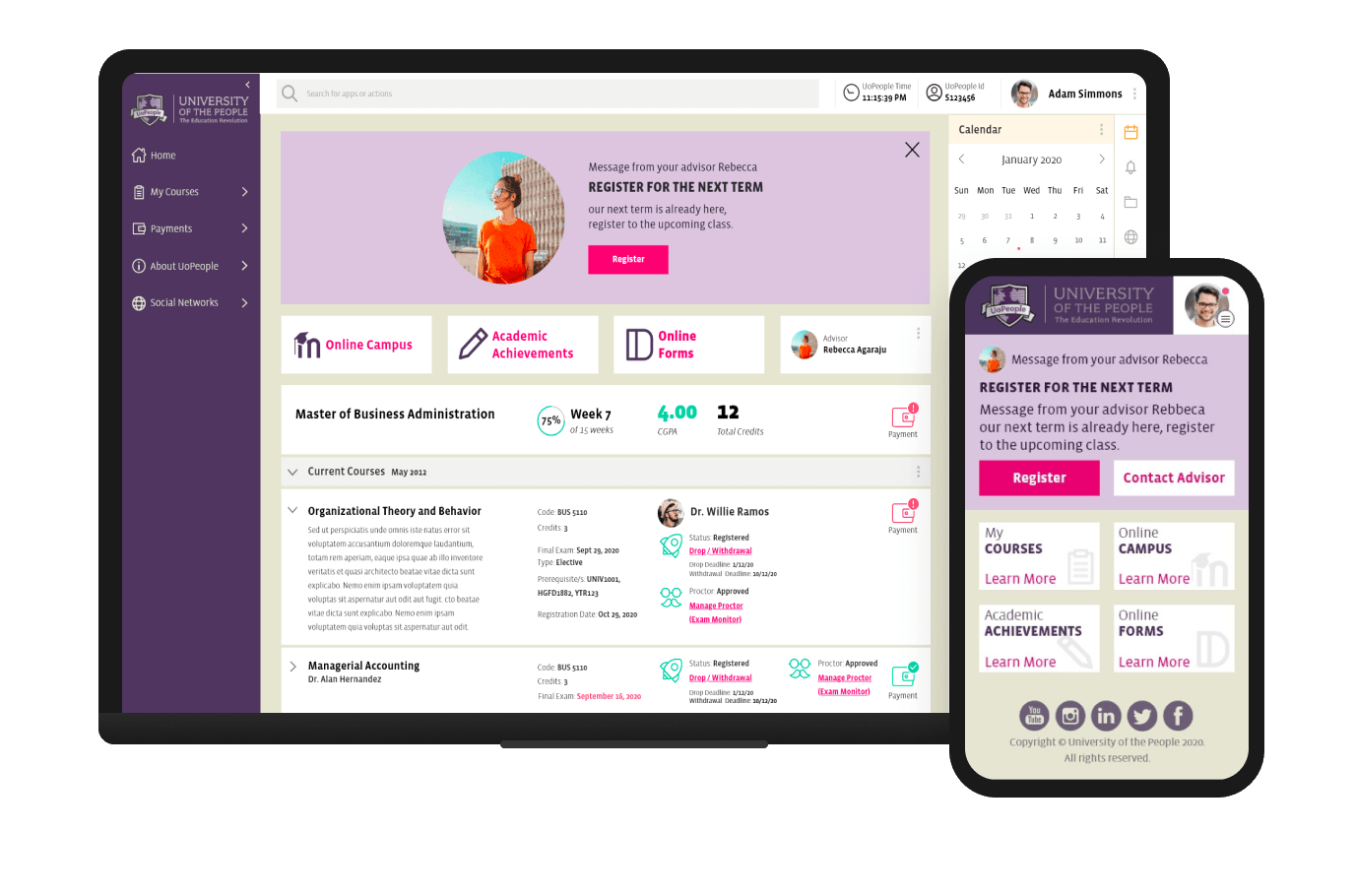
Redesigning the student portal for a global online university, making academic navigation simpler, clearer, and more accessible across devices.

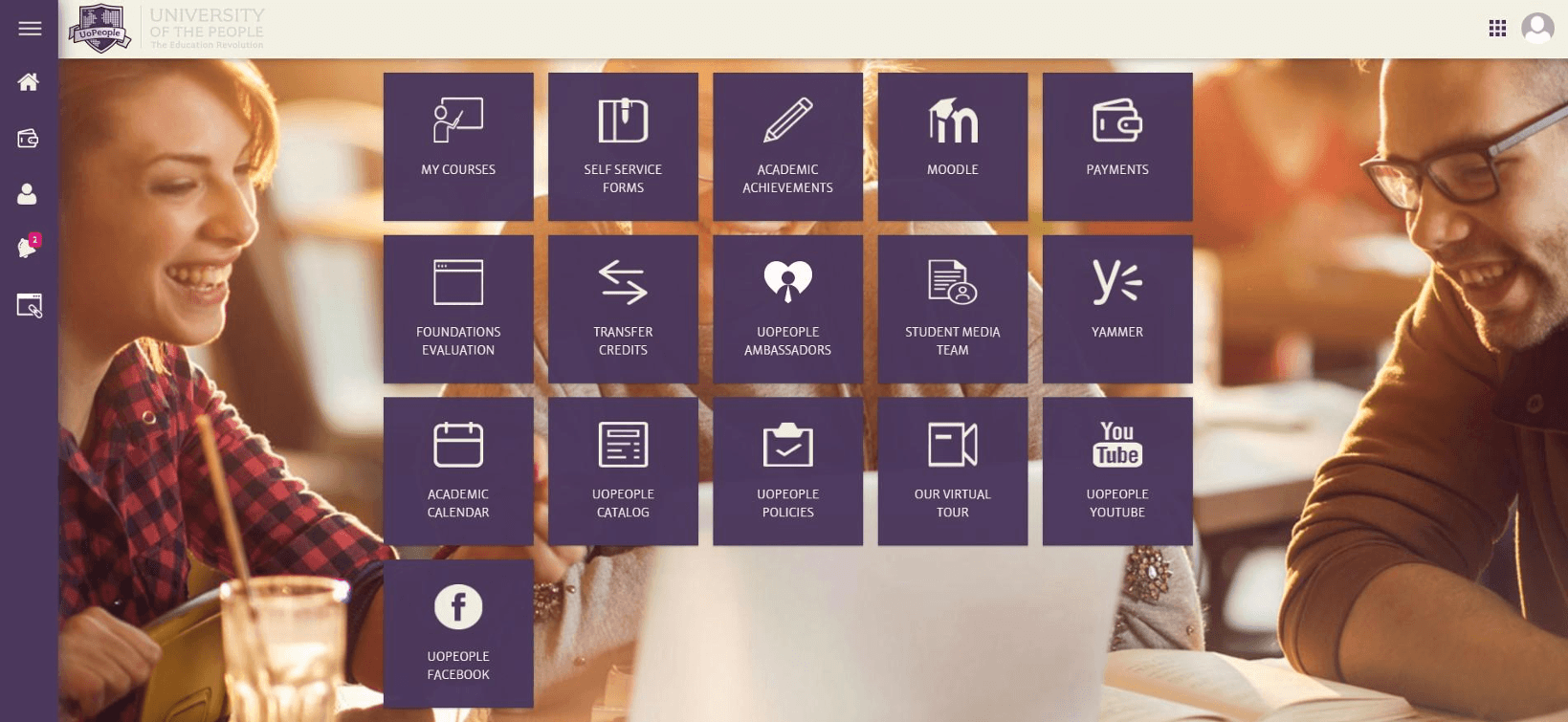
The redesign focused on turning a fragmented "metro of apps" into a coherent student experience. The goal was to reduce navigation friction, improve task visibility, and create a mobile-first interface that supports a global student base with varying levels of connectivity and digital fluency.
UoPeople was operating across 200+ countries, with a strong concentration of students between ages 20 and 40 and a rapidly rising enrollment curve. That context pushed the redesign toward mobile-first clarity, faster task completion, and a product experience that could scale without adding support burden.
The system had to work across devices, regions, and very different usage conditions.
High course volume made buried tasks and fragmented navigation materially harder to manage.
Enrollment growth turned interface friction into a scale problem, not just a usability problem.
Scattered information across multiple sub-sites led to confusion, high cognitive load, and frequently missed academic deadlines.
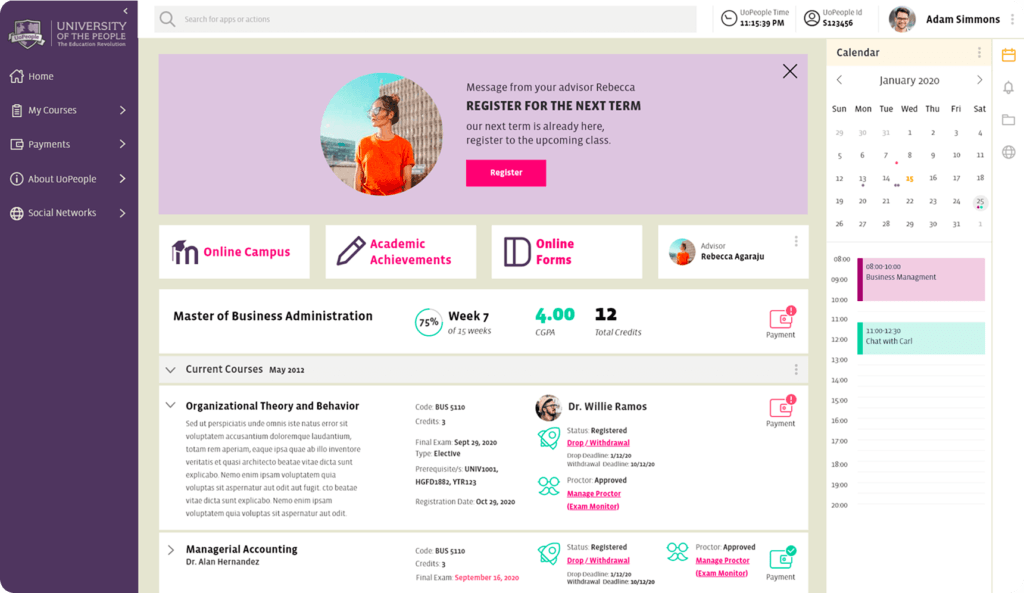
Students struggled to track assignments, discussions, and progress due to lack of a centralized dashboard or priority view.
Legacy system was not mobile-optimized, alienating 60%+ of the global student base who rely solely on smartphones.

Understanding the "Why" and "Who" through user surveys, 1:1 interviews, and pain-point analysis.
Mapping flows and information architecture, personas, journey maps, and card sorting.
From low-fidelity wireframes to interactive high-fidelity prototypes in Figma.
Progressed from low-fi wireframes to a cohesive hi-fi design system, validating logic with users at each stage.
Instead of looking only at screens, the analysis followed the actual path students take through the system: finding the right course, understanding what matters now, and knowing what to do next.
Standard authentication was relatively straightforward and did not emerge as a core pain point.
Students had to navigate across repeated menus and disconnected areas just to locate the current class.
Assignment details, discussions, and deadlines were buried behind too many clicks and weak hierarchy.
After submission, students often lacked a clear next step or visible confirmation that they were done.
The end of the session itself was not the issue. The friction was concentrated in the academic flow before it.
Finding basic course information was described as "difficult" and "buried," leading to support tickets.
Students struggled to complete basic tasks efficiently because core information and actions were too fragmented.

Time-Constrained Student
Balances studies with part-time work and depends on fast access to assignments, materials, and deadlines during short study windows.

First-Generation Student
Relies on clear structure, visual guidance, and simple language to navigate coursework confidently in a system that often feels overwhelming.

Working Parent
Studies in short, focused sessions and needs immediate clarity on what is due, what needs attention, and what was completed.
Students had no centralized overview. Information was scattered across apps ("metro style"), leading to missed priorities, confusion, and lower engagement especially on mobile.
The SolutionFaster assignment access, better usability, and lower support burden across a global student base.


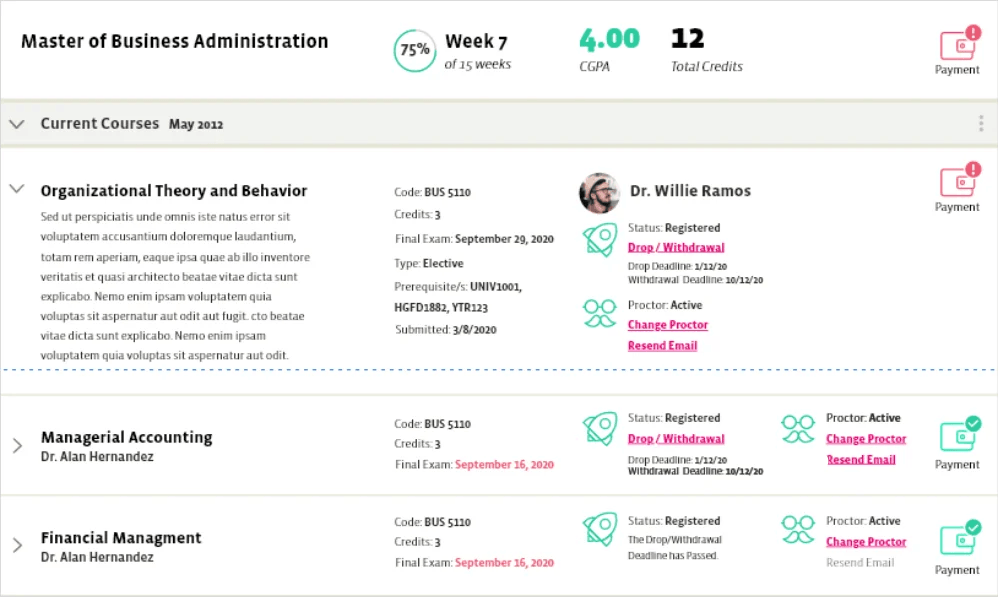
Course navigation was convoluted. Discussions, assignments, and materials required multiple clicks across different apps, causing frustration and inefficiency.
The SolutionReduced clicks and unified course workflows made core actions clearer and easier to complete.
Redesigning with empathy significantly boosts engagement and satisfaction in educational platforms.
Essential for global accessibility, reducing friction for diverse users with varying device capabilities.
Ongoing user research, such as Hotjar integration, is key for continuous UX optimization post-launch.
I design product experiences that bring clarity to complex systems.